Smart Watch: 10 Powerful Reasons to Choose the Right One
Introduction
Technology has become a natural part of everyday life. We use our phones to communicate, work, navigate, shop, exercise, and keep track of important information. But carrying a phone everywhere is not always convenient. This is where a Smart Watch can make everyday technology feel simpler and more accessible.
A modern wearable can do much more than display the time. Depending on the model, it can show notifications, track workouts, monitor activity, control music, provide directions, make or receive calls, and connect with other smart devices.
The challenge is choosing the right one.
There are countless models available, ranging from affordable fitness-focused devices to premium watches with advanced features. Some are designed for athletes, while others are made for professionals who want convenient access to notifications and productivity tools.
In this guide, we will explore the most useful features, benefits, limitations, and buying considerations so you can decide whether a smartwatch is right for you.
What Is a Smart Watch?
A Smart Watch is a wearable electronic device designed to be worn on the wrist and perform functions that go beyond traditional timekeeping.
Most models connect to a smartphone through Bluetooth, Wi-Fi, or another wireless connection. Once connected, the watch can display information from your phone and, depending on the device, allow you to interact with apps and services directly from your wrist.
Common features include:
- Time and date display
- Smartphone notifications
- Step counting
- Workout tracking
- Heart-rate monitoring
- Sleep tracking
- Music controls
- Alarms and timers
- GPS
- Calls and messages
- Contactless payments on supported models
- Voice assistants
Not every model includes all of these functions. That is why understanding your priorities is important before making a purchase.
Why Are Smart Watches So Popular?
The popularity of wearable technology comes down to convenience.
Think about how often you check your phone during the day. A notification arrives, you pick up your phone, unlock it, read the message, and then put it away. A smartwatch can let you see many notifications immediately without reaching for your phone.
For fitness enthusiasts, the convenience is even greater. Instead of carrying a phone during every workout, a wearable can track activity directly from the wrist.
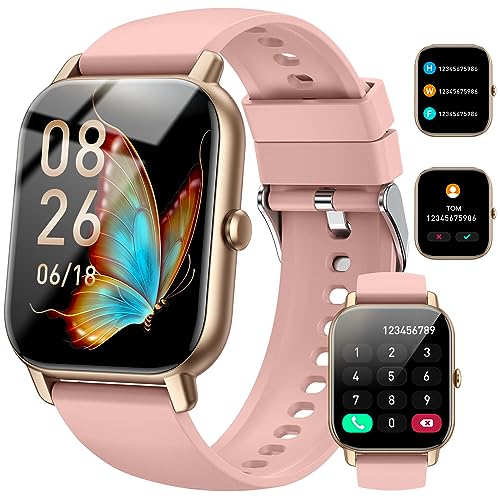
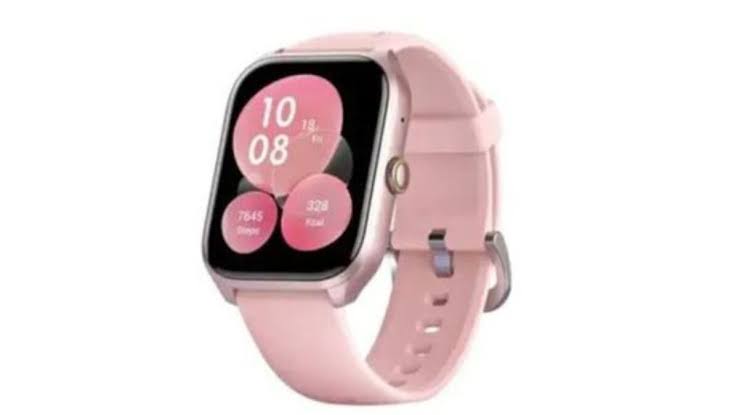
Smartwatches have also become more stylish. Many modern designs look more like traditional watches than pieces of technology, with interchangeable straps, different case sizes, and customisable watch faces.
The result is a device that combines technology, personalisation, and everyday convenience.
10 Powerful Benefits of a Smart Watch
1. Stay Connected Without Constantly Checking Your Phone
One of the biggest advantages of a smartwatch is quick access to notifications.
Depending on the model and connected phone, you may receive alerts for calls, text messages, emails, calendar reminders, social media notifications, and other applications.
Instead of immediately reaching for your phone, you can glance at your wrist and decide whether the notification actually requires your attention.
This can be particularly useful when you are working, exercising, travelling, cooking, or simply trying to spend less time looking at your phone.
The feature sounds small, but over an entire day, it can make your digital life feel considerably less disruptive.
2. Track Your Daily Activity
Most modern wearables are designed to encourage movement.
A smartwatch can count steps, estimate distance travelled, record active minutes, and provide reminders to move after long periods of inactivity.
These features can make daily activity more visible.
For example, you might discover that you walk considerably more on days when you take public transport or choose stairs instead of an elevator. Seeing this information can encourage you to build healthier movement habits into your routine.
Activity tracking should be viewed as a helpful tool rather than a perfect measurement. Different devices and activities can produce different results.
3. Make Exercise More Convenient
A Smart Watch can be particularly useful during workouts.
Depending on the model, you may be able to track walking, running, cycling, swimming, strength training, or other activities.
A compatible device can display information such as workout duration, distance, pace, heart rate, and calories burned.
GPS-equipped models can also record outdoor routes without requiring you to keep your phone in your hand.
For someone who exercises regularly, having this information available on the wrist can make training more convenient and motivating.
4. Monitor Your Heart Rate
Many wearable devices include optical heart-rate sensors that can measure pulse throughout the day and during exercise.
This information can help users understand how their heart rate changes between rest and physical activity.
For example, you may notice that your heart rate rises during a brisk walk and gradually decreases during recovery. Over time, tracking trends can provide useful information about your activity patterns.
However, consumer wearables are not replacements for professional medical equipment or clinical evaluation. Health-related readings should be interpreted carefully, especially if you have symptoms or concerns.
5. Understand Your Sleep Habits
Sleep tracking has become another popular feature.
Depending on the device, a smartwatch may estimate sleep duration and provide information about different sleep stages or nighttime movement.
This can help you notice patterns in your routine.
Perhaps you consistently sleep less on weekdays, go to bed later after using your phone, or wake up more frequently when your schedule changes.
The value of sleep tracking is not necessarily in achieving a perfect score every night. It is in helping you become more aware of your habits.
6. Use GPS and Navigation
GPS is particularly useful for people who run, cycle, hike, travel, or frequently explore unfamiliar places.
A compatible smartwatch can provide location information and, on some models, turn-by-turn directions.
This can be much more convenient than repeatedly taking your phone out of your pocket.
Outdoor enthusiasts may also appreciate route tracking because they can review their distance, pace, and path after completing an activity.
If navigation is important to you, check whether the model has built-in GPS or relies on a connected smartphone.
7. Manage Calls and Messages
Some smartwatches allow users to answer calls, respond to messages, or communicate through supported applications.
The exact functionality depends on the operating system, phone compatibility, and model.
Being able to answer a short message from your wrist can be useful when your phone is in a bag or across the room.
For longer conversations, however, a smartphone will usually remain more practical.
8. Control Music and Media
Music control is another small feature that can make a big difference.
You can often pause a song, change tracks, adjust volume, or control playback without taking your phone out.
For runners and gym users, this is especially convenient.
Some advanced models also support offline music storage, allowing compatible headphones to connect directly to the watch. This can make workouts feel much less dependent on carrying a smartphone.
9. Stay Organised
A smartwatch can also function as a small personal organiser.
Calendar reminders, alarms, timers, weather updates, and task notifications can appear directly on your wrist.
This can be helpful for busy professionals, students, travellers, and anyone who manages a packed schedule.
Imagine cooking while following a timer, attending a meeting while receiving a discreet calendar reminder, or travelling while checking the weather without opening your phone.
These are simple functions, but together they can save time throughout the day.
10. Personalise Your Everyday Style
Technology does not have to look purely technological.
Many modern smartwatches allow you to change watch faces, straps, and sometimes cases or accessories.
You might choose a simple analogue-style face for work, a fitness-focused display for exercise, and something colourful for a casual weekend.
The ability to personalise the device makes it easier to treat it as part of your outfit
Important Features to Consider Before Buying
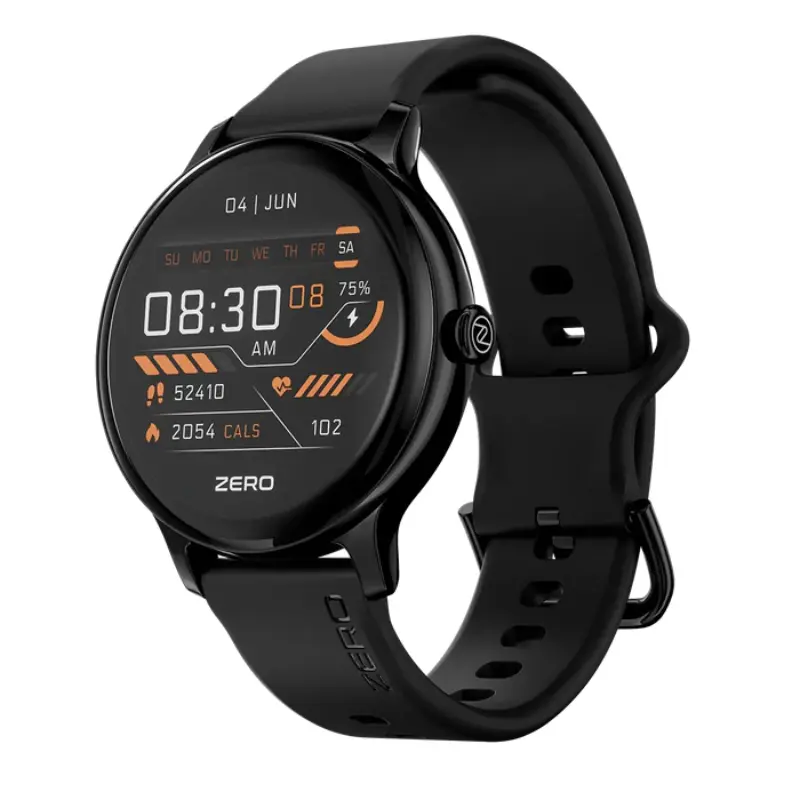
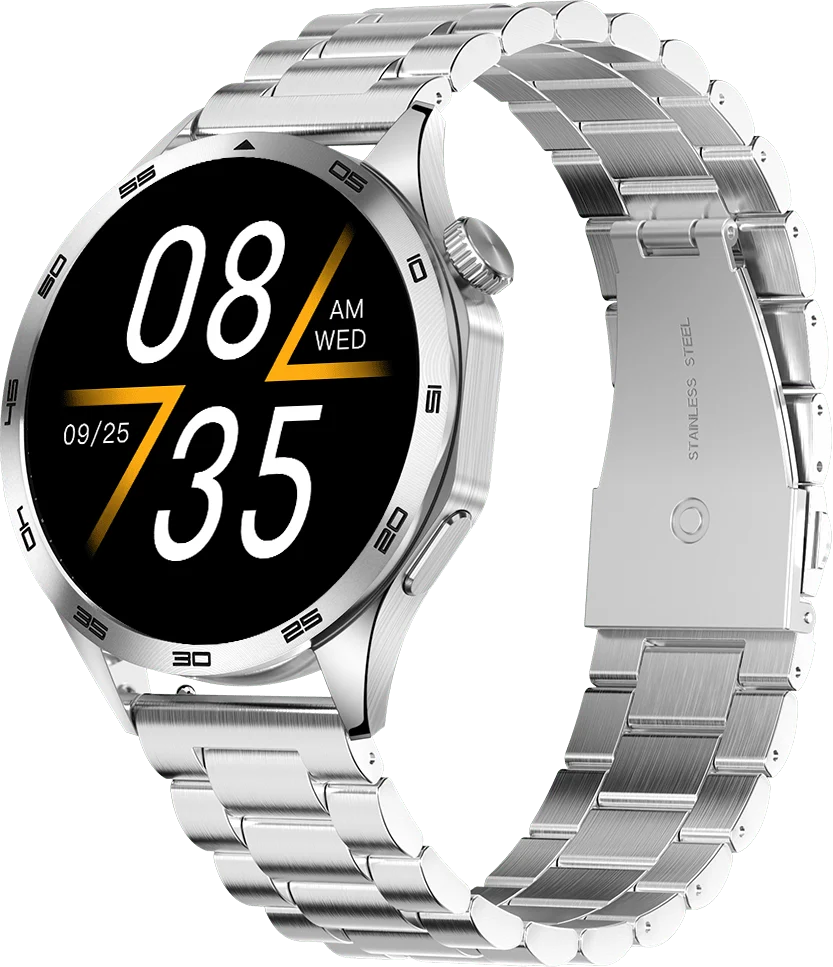
Choosing a Smart Watch should begin with your lifestyle rather than the feature list.
A device with dozens of functions is not necessarily the best choice if you will only use three of them.
Compatibility
The first thing to check is whether the watch works properly with your smartphone.
Some models are designed primarily for specific mobile operating systems, while others offer broader compatibility with fewer features on certain phones.
Always check compatibility before purchasing.
Battery Life
Battery life can significantly affect your experience.
Some watches require daily charging, while others can operate for several days or longer depending on the features being used.
If you travel frequently or dislike charging devices every night, battery performance should be one of your main considerations.
Remember that GPS, continuous sensors, bright displays, and cellular connectivity can increase power consumption.
Display Quality
The screen is one of the most important parts of a wearable because you will interact with it constantly.
Consider brightness, readability outdoors, size, resolution, touch responsiveness, and whether an always-on display is important to you.
A beautiful display is not very useful if you cannot comfortably read it in bright sunlight.
Durability and Water Resistance
If you exercise regularly or spend a lot of time outdoors, durability matters.
Look for appropriate protection against dust, water, and accidental impacts.
Water resistance is particularly important for swimmers and people who wear their watch during workouts.
However, water resistance ratings have specific limitations, so always check the manufacturer’s guidance before exposing the device to water.
Fitness and Health Features
Fitness features vary significantly between models.
Some focus primarily on basic activity tracking, while more advanced devices may offer GPS, multiple workout modes, heart-rate monitoring, blood oxygen estimates, ECG functionality, or other health-related features.
Do not buy a device based solely on the number of health features advertised. Consider whether you will actually use them.
Smart Features
Think about what you want your watch to do beyond fitness.
Do you need calls?
Do you want contactless payments?
Would music storage be useful?
Do you need navigation?
Are notifications important?
Would you use voice commands?
Answering these questions can quickly narrow down your options.
Smart Watch vs Traditional Watch
A traditional watch and a smartwatch serve different purposes.
A traditional watch is primarily designed to tell time and can often last for years without needing frequent charging.
A smartwatch, on the other hand, is essentially a small computer worn on your wrist.
It offers connectivity, apps, sensors, notifications, and digital features but requires charging and software support.
If you value simplicity and timeless design, a traditional watch may be the better choice.
If you want fitness tracking, notifications, navigation, and other connected features, a smartwatch may be more useful.
There is no universally better option. The right choice depends on your lifestyle.
Smart Watch for Fitness and Active Lifestyles
For people who exercise regularly, wearable technology can provide useful feedback.
Runners may care about pace and GPS. Cyclists may want distance and route information. Swimmers may prioritise water resistance. Gym users may prefer heart-rate tracking and workout modes.
The best device is therefore the one that supports your preferred activities.
You should also consider comfort. A watch that is technically impressive but uncomfortable to wear during exercise will probably end up sitting in a drawer.
Look for a secure strap, appropriate case size, lightweight construction, and a display that is easy to read during movement.
Smart Watch for Work and Everyday Life
You do not have to be an athlete to benefit from wearable technology.
For office workers and professionals, quick notifications, calendar alerts, timers, calls, and reminders can be extremely convenient.
A discreet vibration on your wrist can be less disruptive than a phone ringing loudly during a meeting.
Students can also use watches for timers, reminders, alarms, and quick communication.
The key is to use the device as a tool rather than allowing it to become another source of constant notifications.
Common Mistakes to Avoid
Buying the most expensive model is one of the biggest mistakes people make.
Premium features can be impressive, but they may not provide much value if you only need basic activity tracking and notifications.
Another mistake is ignoring compatibility.
A beautifully designed watch can become frustrating if it does not work properly with your phone.
Battery life is another commonly overlooked factor. If you do not enjoy charging electronics frequently, choose a model that matches your habits.
Finally, avoid buying based entirely on specifications. Real-world comfort, software experience, reliability, and ease of use matter just as much.
How Much Should You Spend?
There is no single correct budget for a smartwatch.
Affordable models can provide basic notifications, step tracking, workouts, alarms, and other everyday functions.
Mid-range devices often add better displays, improved sensors, stronger materials, GPS, and more advanced software.
Premium models may offer additional health features, cellular connectivity, sophisticated navigation, high-end materials, and deeper integration with smartphones.
Before deciding on a budget, make a list of the features you genuinely need.
If GPS, cellular connectivity, or advanced health tracking is unnecessary, you may be able to save a significant amount of money by choosing a simpler model.
How to Make Your Smart Watch Last Longer
Once you purchase a smartwatch, a few simple habits can help maintain it.
Keep the device clean, particularly after exercise. Follow the manufacturer’s charging recommendations and avoid unnecessary exposure to extreme temperatures.
Use a suitable screen protector if your lifestyle puts the display at risk of scratches.
Most importantly, keep the software updated when updates are available for your model. Software updates can improve performance, compatibility, security, and features.
Replacing a damaged strap is often much cheaper than replacing the entire watch, so consider using accessories designed for your model.
Frequently Asked Questions
Is a Smart Watch worth buying?
It can be worthwhile if you want convenient access to notifications, fitness tracking, navigation, calls, music controls, or other connected features. If you only need to tell time, a traditional watch may be sufficient.
Can I use a Smart Watch without a phone?
Some models can perform certain functions independently, particularly those with built-in GPS, Wi-Fi, or cellular connectivity. However, many features still depend on pairing with a compatible smartphone.
How long does a Smart Watch battery last?
Battery life varies widely by model, settings, usage, display type, GPS use, and connectivity. Always check the manufacturer’s stated battery performance and consider your personal usage habits.
Can a Smart Watch track exercise?
Yes. Many models support workout tracking for activities such as walking, running, cycling, swimming, and strength training. Available modes vary by device.
Is a Smart Watch waterproof?
Not necessarily. Many models have some level of water resistance, but this does not mean they are completely waterproof. Check the manufacturer’s water-resistance rating and instructions.
Can a Smart Watch replace a smartphone?
For most people, no. A wearable can handle many quick tasks, but smartphones remain much better suited to detailed communication, browsing, content creation, and complex applications.
Final Thoughts
A Smart Watch can be a surprisingly useful addition to everyday life. It can help you stay connected, monitor activity, organise your schedule, track workouts, control music, navigate unfamiliar places, and reduce the number of times you need to reach for your phone.
But buying one should not be about chasing the longest feature list.
Think about how you actually spend your day.
If you exercise regularly, prioritise fitness tracking and GPS. If you work in a busy environment, notifications and calendar features may matter more. If you travel frequently, battery life and navigation could be essential.
The best smartwatch is ultimately the one that fits naturally into your routine.
Choose based on compatibility, comfort, battery life, essential features, durability, and your budget. Once you know what you actually need, finding the right device becomes much easier.
Technology is most useful when it makes life simpler. A well-chosen smartwatch can do exactly that—putting useful information within reach while keeping your phone in your pocket.