MacBook: 10 Powerful Reasons to Choose the Right One
Introduction
Choosing a laptop is no longer simply about finding the fastest processor or the biggest storage capacity. A good laptop needs to fit naturally into your everyday life. It should be comfortable to carry, reliable enough for work, powerful enough for demanding tasks, and enjoyable to use.
That is one reason the MacBook has remained so popular among students, professionals, creatives, and everyday computer users.
Apple’s laptop range combines a minimalist design with a tightly integrated operating system, long battery life, high-quality displays, and a hardware-and-software experience designed to work together. Whether you need a computer for university, office work, graphic design, programming, content creation, or everyday browsing, there is a MacBook configuration that may suit your needs.
However, choosing the right model is not always straightforward. Different models offer different processors, screen sizes, memory options, storage capacities, ports, and performance levels.
This guide explains what makes Apple’s laptops different, what features matter most, and how to choose the right model without spending money on specifications you may never use.
What Is a MacBook?
A MacBook is Apple’s line of laptop computers that runs macOS, the company’s desktop operating system.
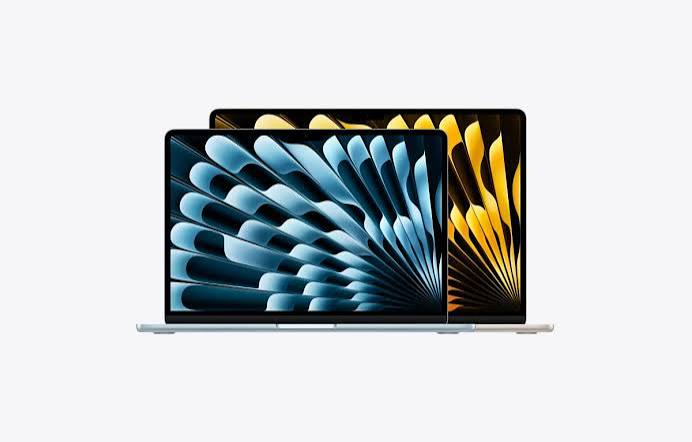
The modern lineup is primarily divided between the MacBook Air and MacBook Pro. Although both are portable computers designed for everyday use, they target slightly different users.
The MacBook Air is generally designed around portability, quiet operation, everyday productivity, and value within Apple’s lineup.
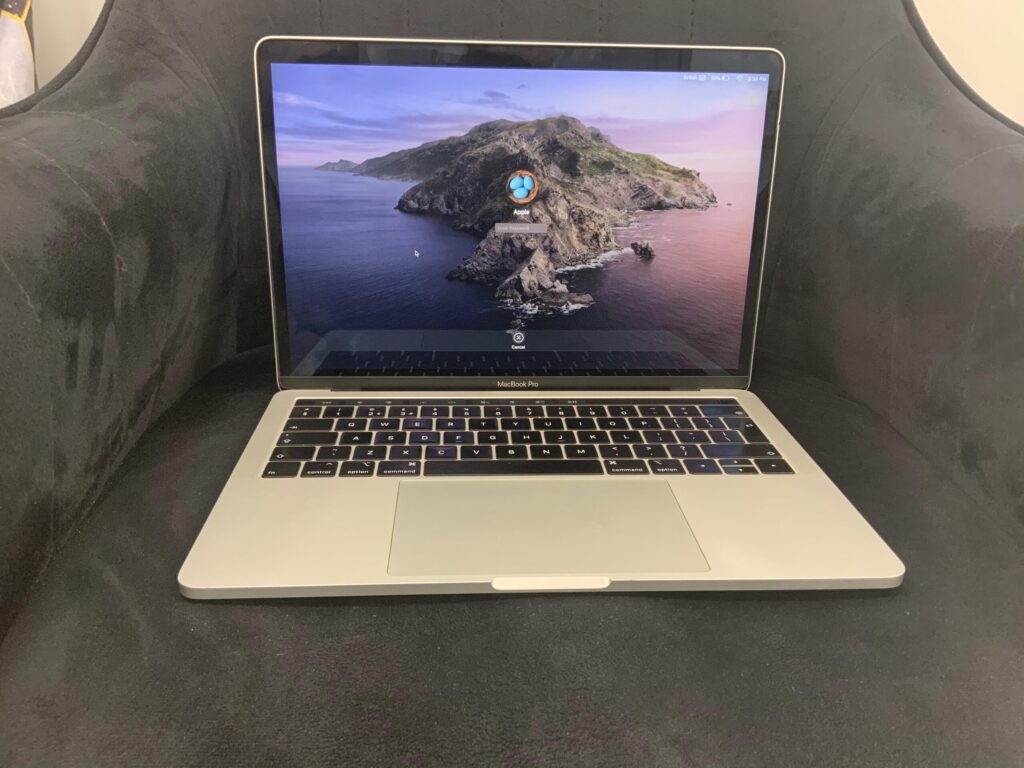
The MacBook Pro is aimed more toward users who need sustained performance for demanding workloads such as professional video editing, software development, music production, photography, 3D work, and other intensive tasks.
Both lines share Apple’s emphasis on design, display quality, portability, and integration with other Apple devices.
Before buying one, however, it is important to look beyond the name. Processor generation, unified memory, SSD capacity, screen size, ports, and battery requirements can make a significant difference to your experience.

10 Powerful Reasons to Choose a MacBook
1. Excellent Performance for Everyday Work
One of the biggest reasons people choose a MacBook is its performance.
Modern Apple silicon processors combine CPU and GPU capabilities with other components on a unified architecture. This allows the computer to handle everyday tasks efficiently while providing enough performance for more demanding applications.
For everyday users, that can mean smoothly switching between a browser, word processor, video call, email application, and multiple other programs.
Students can use their laptops for research, presentations, writing, online classes, and general university work without necessarily needing a high-end configuration.
Professionals may also appreciate the ability to run demanding applications while maintaining a relatively responsive system.
The important point is that performance should be considered in relation to your workload. Buying the most powerful configuration available is not automatically the smartest choice.
2. Long Battery Life
Battery life is one of the most attractive features of Apple’s modern laptops.
Being able to work for extended periods without constantly searching for a power outlet can make a significant difference, especially for students, travellers, freelancers, and people who work from different locations.
Battery performance depends on the model, workload, display settings, applications, network activity, and other factors.
Light tasks such as reading documents, browsing the web, and writing generally consume less power than video editing, gaming, or other demanding workloads.
Still, good battery efficiency can make a laptop feel much more portable because you do not have to carry a charger everywhere simply to get through a few hours of work.
3. Premium and Portable Design
A laptop is something you may carry every day, so physical design matters.
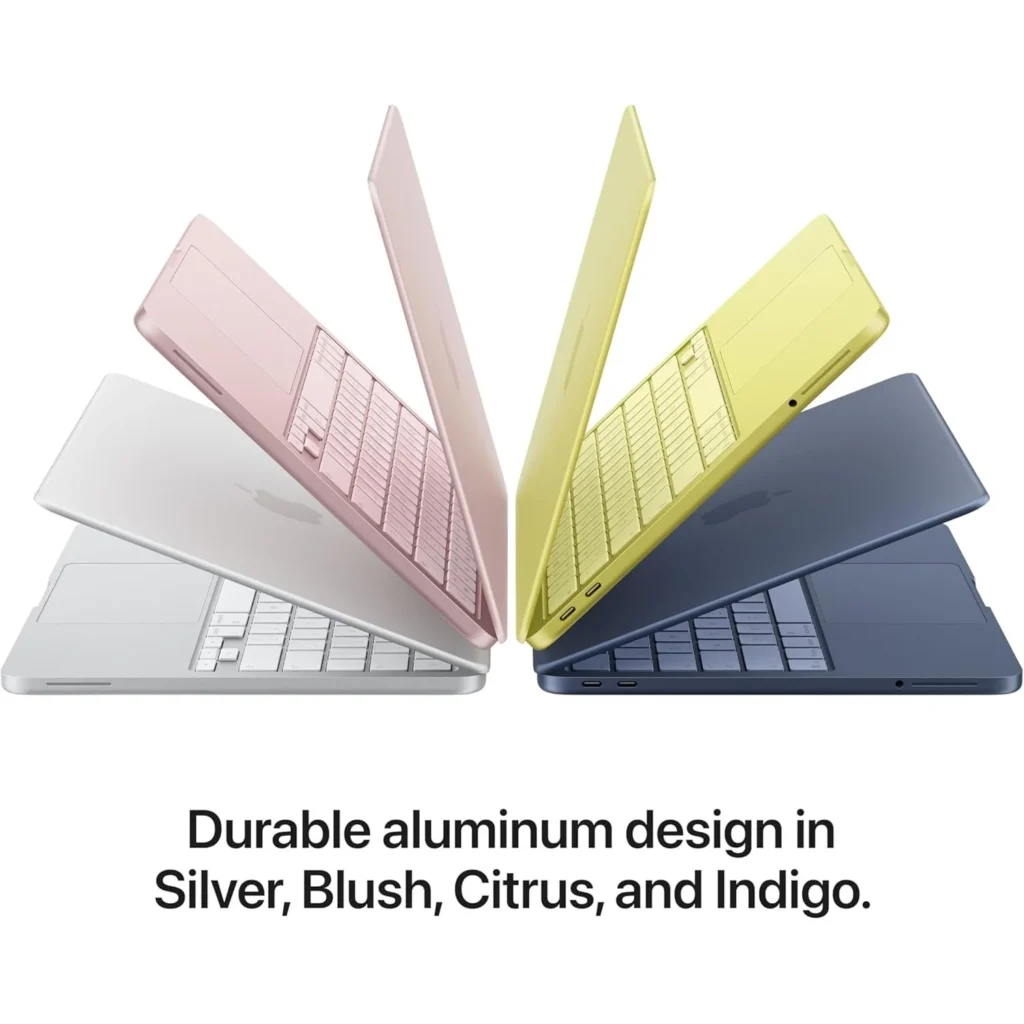
Apple’s laptops are known for slim profiles, minimalist construction, and aluminium enclosures. Their relatively compact designs make them practical for commuting, university, travel, and working from cafés or shared spaces.
Portability is particularly valuable for students.
If your daily routine involves carrying a laptop between classrooms, libraries, offices, and home, every reduction in unnecessary weight can make a difference.
At the same time, a thin laptop still needs to provide adequate performance. This is where choosing between the Air and Pro lines becomes important.
If portability is your highest priority, you may not need a larger professional model.
4. High-Quality Display
The display is one of the parts of a laptop you interact with constantly.
Whether you are writing an assignment, watching a film, editing photographs, reading articles, or working with spreadsheets, a good screen can make the experience considerably more comfortable.
Modern MacBooks are known for high-resolution displays with strong colour reproduction, sharp text, and good brightness.
The larger MacBook Pro models can also offer advanced display technologies and higher refresh rates, depending on the specific generation and configuration.
For photographers, designers, video editors, and other visual professionals, display quality can be particularly important.
For an ordinary student or office worker, however, you may not need to pay for every premium display feature.
5. macOS Is Designed Around the Hardware
One of the distinctive aspects of a MacBook is the relationship between its hardware and software.
Apple controls both the computer hardware and macOS, allowing the company to optimise the operating system for its own devices.
The result is an experience that many users find consistent and straightforward.
macOS includes features such as window management, Spotlight search, built-in security tools, automatic updates, and integration with Apple’s ecosystem.
If you already use an iPhone or iPad, the experience can become even more convenient.
Features such as AirDrop allow files to be transferred between compatible Apple devices, while other continuity features can make it easier to move between devices during the day.
6. Excellent Choice for Students
Students often need a laptop that can handle research, writing, presentations, video calls, browsing, and multitasking without becoming difficult to carry.
A MacBook can fit this lifestyle particularly well.
A lightweight model can be carried to university every day while providing enough performance for common academic applications.
Battery life can also be useful when moving between classrooms or studying in places where power outlets are limited.
However, students should consider their field of study before purchasing.
A student studying literature or business may have very different computing requirements from someone studying engineering, computer science, architecture, or specialised software that may have limited macOS support.
Always check the software requirements of your course before buying.
7. Useful for Creative Professionals
Creative professionals have traditionally been an important audience for Apple’s laptops.
Photographers, video editors, graphic designers, musicians, writers, and other creators can benefit from a combination of processing performance, display quality, portability, and software availability.
For example, video editors may benefit from hardware capable of efficiently handling high-resolution footage, while photographers may care more about colour accuracy and storage.
Musicians may appreciate the available audio tools and low-latency workflows supported by macOS-compatible software.
But creative work can vary dramatically in complexity.
Someone editing occasional social media videos does not necessarily need the same configuration as a professional working with large video projects every day.
8. Strong Ecosystem Integration
If you already own other Apple devices, choosing a MacBook can make your technology ecosystem feel more connected.
For example, AirDrop can make transferring photos and documents between compatible devices convenient.
Messages and other communication features can also be integrated across supported Apple devices.
Depending on your setup, you may also be able to copy content on one Apple device and paste it on another using Apple’s continuity features.
These conveniences may seem minor individually, but they can save time when you use your devices every day.
For someone who already owns an iPhone and other Apple products, ecosystem integration can be a meaningful reason to choose a Mac rather than another laptop platform.
9. Quiet and Comfortable Everyday Use
Noise can become surprisingly annoying when you work on a computer for several hours.
Many MacBook Air models use fanless designs, meaning they can operate silently during everyday tasks.
MacBook Pro models use active cooling in configurations where sustained performance requires it.
This distinction matters because a fanless laptop may be wonderfully quiet for writing, browsing, and office work, while a professional machine may need cooling to maintain performance during demanding workloads.
Think about your actual usage.
If your day consists mostly of documents, browsing, video calls, and presentations, quiet operation may be more valuable than maximum sustained performance.
10. Good Long-Term Software Support
When purchasing an expensive laptop, you naturally want it to remain useful for years.
Apple provides macOS updates for supported Mac models, although the exact support period varies by device and software release.
Software support can extend the useful life of a computer because it may provide new features, security improvements, and compatibility updates.
Hardware durability and battery condition also matter, of course.
Taking care of your laptop, keeping it clean, avoiding unnecessary physical damage, and managing storage responsibly can all contribute to a longer useful life.
MacBook Air vs MacBook Pro
One of the most important decisions is choosing between the Air and Pro families.
MacBook Air
The Air is generally the better fit for users who prioritise:
- Portability
- Everyday productivity
- University work
- Web browsing
- Office applications
- Streaming
- Long battery life
- Quiet operation
- General creative work
For many people, the Air provides more than enough performance.
If you are mainly writing documents, attending online meetings, researching, watching videos, managing spreadsheets, and using everyday applications, purchasing a professional model may provide more power than you actually need.
MacBook Pro
The Pro is more appropriate for users who regularly perform demanding tasks.
These can include:
- Professional video editing
- Large-scale photo workflows
- Music production
- Software development
- 3D rendering
- Advanced creative applications
- Long periods of sustained processing
The Pro models can also provide additional ports and more advanced displays depending on the configuration.
The key is to buy according to workload rather than status.
How Much RAM Do You Need?
Memory, sometimes called unified memory on Apple silicon systems, is an important consideration.
For basic tasks such as web browsing, documents, email, and streaming, a modest memory configuration may be sufficient.
If you regularly work with large creative applications, virtual machines, software development environments, large datasets, or multiple demanding applications simultaneously, additional memory can be beneficial.
Think about how you actually use your computer.
If you frequently have dozens of browser tabs open alongside demanding applications, more memory may improve your experience.
However, buying substantially more memory than you need can increase the price without providing a meaningful benefit for your workload.
How Much Storage Should You Choose?
Storage is another important decision because modern applications and media files can consume space quickly.
A smaller SSD may be enough if you mainly use cloud storage and work with documents.
If you store large photographs, videos, games, design files, or music libraries locally, additional storage becomes more valuable.
Remember that you cannot simply assume that cloud storage will solve every problem. Large creative projects can be inconvenient to manage if you constantly need to download and upload files.
Choose storage based on the type of files you expect to keep on the laptop.
Is a MacBook Good for Gaming?
Gaming is not traditionally the strongest reason to choose a MacBook.
While Apple silicon has become increasingly capable and macOS supports a growing selection of games, Windows remains a stronger platform for many PC games, particularly titles that rely on specific graphics technologies or anti-cheat systems.
If gaming is one of your primary reasons for purchasing a laptop, research the exact games you want to play before buying.
If gaming is only an occasional activity, a Mac may still be suitable depending on the titles you enjoy.
Common MacBook Buying Mistakes
Buying More Power Than You Need
A common mistake is assuming that the most expensive model is automatically the best choice.
If your work is primarily office-based, you may not benefit much from a professional configuration.
Ignoring Storage Requirements
Running out of storage can become frustrating, particularly if you work with large files.
Think about your future needs rather than only what you store today.
Forgetting Port Requirements
Some MacBook models prioritise thinness and portability, while Pro models may offer more connectivity options.
If you frequently use external monitors, memory cards, wired accessories, or other peripherals, check the available ports carefully.
Choosing Based Only on Appearance
A beautiful laptop is nice, but performance, compatibility, battery life, storage, and comfort matter more in the long run.
How to Make Your MacBook Last Longer
A few simple habits can help protect your investment.
Keep the laptop away from liquids and extreme temperatures. Clean the display and keyboard using appropriate methods rather than harsh household chemicals.
Keep macOS and your applications updated.
Avoid blocking ventilation when using models that rely on active cooling.
It is also sensible to maintain regular backups of important files. Hardware can fail unexpectedly, and a backup can prevent a serious loss of work.
Finally, handle the display and hinges carefully. Portable computers are designed to travel, but they are still precision electronic devices.
Frequently Asked Questions
Is a MacBook worth buying?
For many users, yes. It can be particularly appealing if you value portability, battery efficiency, build quality, display quality, macOS, and integration with other Apple devices.
Which MacBook is best for students?
For many students, a MacBook Air is likely to provide enough performance for writing, browsing, presentations, research, video calls, and everyday academic work. Students using specialised software should check their course requirements first.
Is MacBook Air better than MacBook Pro?
Neither is universally better. The Air is generally aimed at portability and everyday use, while the Pro is designed for users who need higher sustained performance and additional professional features.
How long can a MacBook last?
The useful lifespan depends on the model, workload, battery condition, software support, and how well the computer is maintained. Many users keep their laptops for several years.
Can a MacBook run Microsoft Office?
Yes. Microsoft offers versions of applications such as Word, Excel, and PowerPoint for macOS.
Can I connect a MacBook to an external monitor?
Yes, although the number and type of supported external displays depend on the specific model and chip configuration.
Is a MacBook good for graphic design?
It can be an excellent choice for graphic design, photography, video editing, and other creative work, particularly when paired with a suitable display and sufficient memory and storage.
Final Thoughts
A MacBook is more than a laptop with an Apple logo. It is a combination of hardware, software, portability, battery efficiency, and ecosystem features designed to work together.
The right model, however, depends entirely on what you plan to do with it.
For students and everyday users, the MacBook Air may provide the right balance of portability and performance. For professionals working with demanding creative applications or other intensive workloads, the MacBook Pro may make more sense.
Before purchasing, consider your processor requirements, memory, storage, display preferences, ports, battery expectations, and software compatibility.
Most importantly, do not buy specifications simply because they sound impressive.
Buy the computer that fits your work, your budget, and your everyday routine.
When you choose based on actual needs rather than hype, you are far more likely to end up with a laptop that remains useful and enjoyable for years.